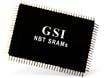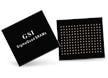



GS8162Z18DGD-250I

Bilder dienen lediglich der Veranschaulichung und sind nicht Originalgetreu
Siehe Produktspezifikationen
Siehe Produktspezifikationen
464-GS8162Z18DGD250I
GS8162Z18DGD-250I
Herst.:
Beschreibung:
SRAM 2.5 or 3.3V 1M x 18 18M
SRAM 2.5 or 3.3V 1M x 18 18M
Datenblatt:
Verfügbarkeit
-
Lagerbestand:
-
Nicht auf LagerEin unerwarteter Fehler ist aufgetreten. Bitte versuchen Sie es später noch einmal.
-
Lieferzeit ab Hersteller:
Preis (CHF)
| Menge | Stückpreis |
Erw. Preis
|
|---|---|---|
| CHF 21.76 | CHF 21.76 | |
| CHF 20.16 | CHF 201.60 | |
| CHF 19.20 | CHF 480.00 | |
| CHF 19.10 | CHF 687.60 | |
| CHF 17.88 | CHF 1’931.04 | |
| CHF 17.56 | CHF 4’425.12 | |
| CHF 17.12 | CHF 8’628.48 | |
| 1’008 | Kostenvoranschlag |
Datenblatt
Konformitätscodes
- CNHTS:
- 8542329000
- CAHTS:
- 8542320030
- USHTS:
- 8542320041
- JPHTS:
- 854232029
- KRHTS:
- 8542321020
- TARIC:
- 8542324500
- MXHTS:
- 8542320299
- ECCN:
- 3A991.b.2.b
Ursprungsklassifikationen
- Ursprungsland:
- Taiwan
- Herstellungsland:
- Nicht lieferbar
- Land der Verbreitung:
- Nicht lieferbar